


🚐🔥 NIX | VANILLA GOES FULL EUROPE — THE ULTIMATE 21-DAY EPIC (SEA • MOUNTAINS • TUSCANY • BALKANS) 🌍
- John Nickolls

- Mar 27
- 14 min read

Right… strap in.
This is not a trip.This is a full-blown European expedition—the kind of journey that makes you look at the driveway differently when you get back.
You, Vanilla, and 21 days of:
🏔️ jaw-dropping mountains
🌊 sunlit coastlines
🇮🇹 golden Tuscany
🇧🇦 raw Balkan energy
🚐 and that glorious feeling of just rolling on
And the timing? Early May = absolute perfection.No crowds. No heatwave misery. Just Europe at its best.
🎬 THE ROUTE (PURE FLOW, ZERO WASTE)
Stafford → Eurotunnel Le Shuttle → Reims → Annecy → Lauterbrunnen → Val Gardena → Malcesine → Lake Bled → Zenica → Plitvice Lakes National Park → Rovinj → Trieste → Verona → Siena → Val d'Orcia → Monte Argentario → Cinque Terre → Montreux → Chamonix-Mont-Blanc → Colmar → Reims → Home
Countries to be Visited
You will be visiting the following different countries on your trip:
United Kingdom (Stafford)
France (Reims, Annecy, Montreux, Chamonix-Mont-Blanc, Colmar)
Switzerland (Montreux)
Italy (Val Gardena, Malcesine, Trieste, Verona, Siena, Val d'Orcia, Monte Argentario, Cinque Terre)
Slovenia (Lake Bled)
Bosnia and Herzegovina (Zenica)
Croatia (Plitvice Lakes National Park, Rovinj)
In total, you will be visiting seven different countries.

🚀 THE JOURNEY — DAY BY DAY (WITH WEATHER + VIBES
🇫🇷 DAY 1 — Reims 🍾
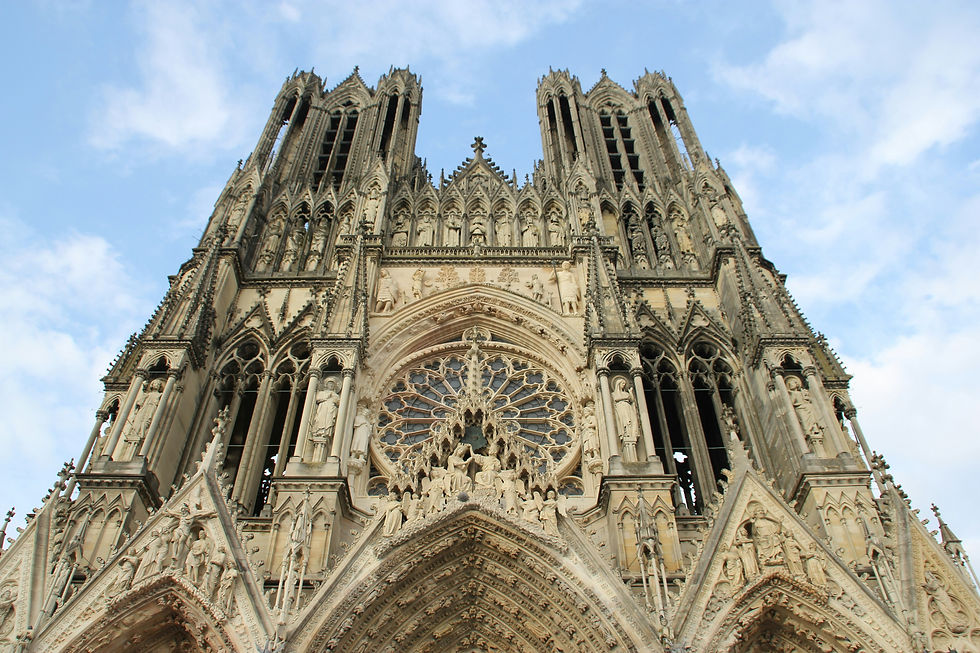
🌡️ 12–18°C | 🌦️ Mixed cloud & sun
You blast through the tunnel and suddenly—Europe begins. Wide roads, calm driving, and a glass-of-wine kind of evening.
Overview of Reims
Reims is a city located in the Grand Est region of France, renowned for its rich history and cultural significance. Often referred to as the "City of Coronations," Reims has been the site of the coronation of numerous French kings, making it a pivotal location in French history.
Historical Significance
The city's most famous landmark is the Reims Cathedral, officially known as Notre-Dame de Reims. This UNESCO World Heritage site is an exquisite example of Gothic architecture and has hosted the coronation ceremonies of 25 monarchs from the 9th to the 19th centuries.
Cultural Highlights
Reims is also famous for its champagne production. The surrounding Champagne region is home to several prestigious champagne houses, where visitors can tour vineyards and sample some of the finest sparkling wines in the world.
Modern Reims
Today, Reims is a vibrant and lively city that seamlessly combines its historical allure with contemporary conveniences, creating a unique atmosphere that appeals to a wide range of visitors. Known as the unofficial capital of the Champagne region, Reims boasts an impressive array of museums, parks, and dining experiences that cater to both tourists and local residents alike. The city is home to several remarkable museums, such as the Musée des Beaux-Arts, which showcases an extensive collection of fine arts, including works by renowned artists from various periods. Additionally, the Palais du Tau, a UNESCO World Heritage site, offers a glimpse into the royal history of France, as it served as the residence for the archbishops of Reims and was closely associated with the coronation of French kings. The lush parks scattered throughout the city, including the Parc de la Patte d'Oie and the Parc de Champagne, provide serene spaces for relaxation and recreation, where families and friends can gather for picnics or leisurely strolls. These green spaces are not only picturesque but also serve as venues for various cultural events and festivals, further enriching the community's social fabric. Dining in Reims is an experience in itself, with a diverse culinary scene that reflects both traditional French cuisine and innovative gastronomy. Visitors can indulge in local specialties, such as the famous Reims ham and the delectable biscuits rose, while also enjoying the world-renowned Champagne that originates from the surrounding vineyards. The city's numerous cafes and bistros offer inviting atmospheres, where patrons can savor their meals while soaking in the lively ambiance. The vibrant atmosphere of Reims is further enhanced by its bustling streets, lively markets, and the warm hospitality of its residents. The city's rich history, which dates back to Roman times, is evident in its stunning architecture, including the magnificent Notre-Dame de Reims Cathedral, a masterpiece of Gothic design that attracts architecture enthusiasts from around the globe. The intricate details of its façade and the breathtaking stained glass windows inside tell stories of the past, making it a must-visit landmark. In conclusion, Reims stands out as a distinctive destination that offers a harmonious blend of historical significance and modern-day comforts. Whether one is exploring its cultural treasures, enjoying the natural beauty of its parks, or indulging in its culinary delights, Reims provides an enriching experience that leaves a lasting impression on all who visit.
🇫🇷 DAY 2 — Annecy 🏞️

🌡️ 14–20°C | 🌤️ Bright spring
Canals. Mountains. Lake reflections.You’ll walk around thinking, “this is ridiculous.”
Annecy: The Venice of the Alps
Annecy, often referred to as the "Venice of the Alps," is a picturesque town located in the Haute-Savoie region of southeastern France. Nestled between the stunning mountains and the serene Lake Annecy, this charming destination is known for its breathtaking scenery and rich history.
Historical Significance
The town boasts a well-preserved medieval old town, featuring narrow cobblestone streets, vibrant flower-lined canals, and colorful buildings. Key historical sites include the Palais de l'Isle, a former prison that now serves as a museum, and the Château d'Annecy, which offers panoramic views of the town and lake.
Natural Beauty
Lake Annecy is renowned for its crystal-clear waters, making it a popular spot for swimming, sailing, and paddleboarding during the summer months. The surrounding mountains provide ample opportunities for hiking, biking, and skiing in the winter, making Annecy a year-round destination for outdoor enthusiasts.
Cultural Attractions
The town is also known for its vibrant cultural scene, hosting various festivals throughout the year, including the Annecy International Animated Film Festival. Visitors can enjoy local cuisine in charming restaurants, with specialties such as tartiflette and fondue, reflecting the region's culinary heritage.
Conclusion
With its stunning landscapes, rich history, and lively culture, Annecy is a captivating destination that offers something for everyone, making it a must-visit location in France.
🇨🇭 DAY 3 — Lauterbrunnen 💧

🌡️ 8–16°C | 🌦️ Fresh alpine
72 waterfalls. Silence. Pure drama.
👉 You’ll stand still… and just listen.
Lauterbrunnen: A Swiss Gem
Lauterbrunnen is a picturesque village nestled in the heart of the Swiss Alps, celebrated for its stunning natural beauty and dramatic landscapes. Located in the Bernese Oberland region, it is surrounded by towering cliffs and lush green valleys, making it a popular destination for nature lovers and outdoor enthusiasts.
Scenic Wonders
The valley of Lauterbrunnen is renowned for its impressive waterfalls, with the most famous being the Staubbach Falls, which plunges nearly 300 meters from a high cliff. The sound of cascading water fills the air, creating a serene atmosphere that captivates visitors.
Outdoor Activities
Lauterbrunnen serves as a gateway to numerous hiking trails and adventure sports. From leisurely walks to challenging hikes, there are options for all skill levels. The nearby Jungfrau region offers skiing, snowboarding, and mountaineering, attracting thrill-seekers year-round.
Cultural Highlights
In addition to its natural beauty, Lauterbrunnen boasts a rich cultural heritage. The village features charming wooden chalets and traditional Swiss architecture, providing a glimpse into the region's history. Visitors can also explore local shops, cafes, and restaurants that showcase Swiss cuisine.
Conclusion
Whether you're seeking adventure in the mountains or a peaceful retreat surrounded by nature, Lauterbrunnen is a destination that promises unforgettable experiences and breathtaking views.
🇮🇹 DAY 4 — Val Gardena 🏔️

🌡️ 10–18°C | 🌤️ Cool sunshine
Jagged peaks. Unreal roads. Vanilla is in her element here.
Overview of Val Gardena
Val Gardena is a picturesque valley located in the Dolomites of northern Italy, renowned for its stunning landscapes, rich culture, and outdoor recreational opportunities. The valley is part of the South Tyrol region and is surrounded by majestic mountains, making it a popular destination for both winter sports enthusiasts and summer hikers.
Winter Sports
During the winter months, Val Gardena transforms into a winter wonderland, attracting skiers and snowboarders from around the globe. It is part of the Dolomiti Superski area, which boasts over 1,200 kilometers of ski slopes. The famous Sella Ronda ski circuit allows visitors to explore multiple valleys and enjoy breathtaking views.
Summer Activities
In the summer, Val Gardena offers a different kind of beauty. The lush green meadows and colorful wildflowers make it a perfect spot for hiking, mountain biking, and climbing. Numerous trails cater to all levels of experience, providing access to some of the most stunning vistas in the Dolomites.
Cultural Heritage
Val Gardena is also known for its rich cultural heritage, particularly its tradition of woodcarving. The valley is home to skilled artisans who create intricate wooden sculptures and decorations, reflecting the region's history and craftsmanship. Visitors can explore local shops and galleries to appreciate these unique works of art.
Conclusion
Whether you are seeking adventure on the slopes or tranquility in nature, Val Gardena offers a perfect blend of activities and stunning scenery, making it a must-visit destination in the heart of the Dolomites.
🇮🇹 DAY 5 — Malcesine ☀️

🌡️ 18–23°C | ☀️ Warm
Boom. Mediterranean mood activated.
🇸🇮 DAY 6 — Lake Bled 🏝️

🌡️ 15–22°C | 🌤️ Mild
That island church looks fake… but it isn’t.
Lake Bled: A Picturesque Gem in Slovenia
Lake Bled is a stunning glacial lake situated in the Julian Alps of Slovenia, known for its breathtaking scenery and tranquil atmosphere. The lake is famous for its emerald-green waters, which are framed by lush forests and towering mountains, making it a popular destination for nature lovers and outdoor enthusiasts.
Key Attractions
Bled Island: The only island in Slovenia, it features a charming church and offers a picturesque setting for visitors.
Bled Castle: Perched on a cliff overlooking the lake, this medieval castle provides panoramic views and a glimpse into Slovenia's history.
Activities: Visitors can enjoy rowing, hiking, and cycling around the lake or indulge in the famous Bled cream cake.
Best Time to Visit
The best time to visit Lake Bled is during the spring and early autumn months when the weather is mild, and the natural beauty is at its peak. Each season offers a unique charm, from vibrant autumn foliage to winter's serene snow-covered landscapes. In summary, Lake Bled is a captivating destination that combines natural beauty with cultural heritage, making it a must-visit location in Slovenia.
🇧🇦 DAY 7 — Zenica 🔧

🌡️ 18–25°C | ☀️ Warm
This is where things get real.Raw. Authentic. Proper travel.
👉 This is the stop you’ll talk about later.
Zenica: A Brief Overview
Zenica is a vibrant city located in central Bosnia and Herzegovina, known for its rich industrial history and stunning natural surroundings. Nestled along the banks of the Bosna River, Zenica has evolved over the years from a significant industrial hub to a cultural center that attracts both locals and visitors.
Historical Significance
The city has a deep-rooted history, with its origins tracing back to Roman times. Zenica became particularly notable during the 20th century due to its steel production, which played a crucial role in the economy of the region. Today, remnants of its industrial past coexist with modern developments, showcasing the city’s resilience and adaptability.
Cultural Aspects
Zenica is not only about industry; it is also a place rich in culture. The city hosts various events and festivals throughout the year, celebrating local traditions and arts. The community is known for its hospitality, making it a welcoming destination for newcomers and tourists alike.
Personal Connection
This is also where my friend Azra was born, adding a personal touch to the city's significance. Azra’s stories about her childhood in Zenica highlight the warmth of the community and the beauty of the surrounding landscapes, making it a truly special place.
🇭🇷 DAY 8 — Plitvice Lakes National Park 🌊

🌡️ 14–20°C | 🌦️ Fresh
Waterfalls everywhere. Colours that look edited… but aren’t.
🇭🇷 DAY 9 — Rovinj 🌅

🌡️ 18–24°C | ☀️ Coastal
Relax. Eat. Watch the sea.
Overview of Rovinj
Rovinj is a picturesque coastal town located on the Istrian Peninsula in Croatia. Known for its stunning architecture and vibrant cultural scene, Rovinj offers a unique blend of history, art, and natural beauty.
Historical Significance
Originally a Roman settlement, Rovinj has a rich history that is reflected in its charming old town, characterized by narrow cobblestone streets and colorful buildings. The town's iconic church, St. Euphemia, stands atop a hill and provides breathtaking views of the Adriatic Sea.
Cultural Attractions
Rovinj is home to numerous galleries, museums, and festivals that celebrate its artistic heritage. The town hosts the Rovinj Photodays, an annual photography festival, and various art exhibitions throughout the year.
Natural Beauty
Surrounded by lush forests and crystal-clear waters, Rovinj is a haven for outdoor enthusiasts. Visitors can enjoy activities such as sailing, diving, and hiking in the nearby natural parks.
Conclusion
With its captivating scenery, rich history, and vibrant culture, Rovinj is a must-visit destination for travelers seeking an authentic Croatian experience.
🇮🇹 DAY 10 — Trieste ☕

🌡️ 18–23°C | 🌤️ Breezy
Elegant. Quiet. Coffee heaven.
🇮🇹 DAY 11 — Verona ❤️

🌡️ 20–25°C | ☀️ Warm
History. Romance. Big Italian energy.
🇮🇹 DAY 12 — Siena 🏛️

🌡️ 20–26°C | ☀️ Perfect
You’ve arrived in Tuscany.
🇮🇹 DAY 13 — Val d'Orcia 📸🔥

🌡️ 21–26°C | ☀️ Golden
This is THE moment.
Rolling hills. Cypress roads.You’ll take photos and still not do it justice.
🇮🇹 DAY 14 — Monte Argentario 🌊

🌡️ 22–26°C | ☀️ Warm
Tuscany… but with sea air.
🇮🇹 DAY 15 — Cinque Terre 🏡

🌡️ 20–25°C | ☀️ Sunny
Cliffside villages that look like a dream.
Exploring the Enchantment of Cinque Terre
Cinque Terre, a breathtaking coastal region in Italy, is a true gem that captivates the hearts of travelers from around the globe. Nestled along the rugged coastline of the Ligurian Sea, this UNESCO World Heritage site is renowned for its stunning landscapes, colorful villages, and rich cultural heritage. Let’s dive into what makes Cinque Terre an unparalleled destination!
Picturesque Villages
Cinque Terre translates to "Five Lands," and it comprises five charming villages:
Monterosso al Mare - The largest of the five, known for its beautiful beaches and vibrant promenades.
Vernazza - Often considered the most picturesque, with its charming harbor and medieval castle.
Corniglia - Perched high on a cliff, offering stunning views and a more tranquil atmosphere.
Manarola - Famous for its colorful houses that seem to tumble into the sea.
Riomaggiore - The southernmost village, known for its steep terraces and vibrant fishing culture.
Each village boasts its unique character and charm, inviting visitors to explore their narrow streets, local shops, and delectable cuisine.
Stunning Natural Scenery
The breathtaking landscapes of Cinque Terre are a feast for the eyes.
Cliffs and Coastline - The dramatic cliffs rise steeply from the sea, providing awe-inspiring views at every turn.
Terraced Vineyards - The region is famous for its terraced vineyards that produce the renowned Sciacchetrà wine.
Hiking Trails - The scenic hiking trails connect the villages, offering panoramic views of the Mediterranean and the surrounding hills.
Whether you’re hiking the famous Sentiero Azzurro or relaxing on a beach, the natural beauty of Cinque Terre is simply unforgettable.
Culinary Delights
Cinque Terre is not just a feast for the eyes; it’s also a haven for food lovers!
Seafood - Fresh catches from the Ligurian Sea, including anchovies and octopus, are a must-try.
Pesto alla Genovese - The region’s famous basil pesto is a culinary highlight, perfect with pasta or on bruschetta.
Local Wines - Enjoy the unique flavors of local wines, especially the white wines made from the region’s native grape varieties.
Dining in Cinque Terre is an experience that tantalizes the taste buds and warms the heart.
Cultural Heritage
Cinque Terre is rich in history and culture, with influences from ancient civilizations.
Historic Churches - Each village features stunning churches, such as the Church of San Giovanni Battista in Monterosso and the Church of Santa Margherita d'Antiochia in Vernazza.
Festivals - The region hosts vibrant festivals throughout the year, celebrating local traditions, food, and wine.
Art and Craftsmanship - Explore local artisan shops showcasing handmade goods, from pottery to textiles.
Immerse yourself in the local culture, and you’ll discover the heart and soul of Cinque Terre.
Conclusion
In conclusion, Cinque Terre is a dazzling destination that offers a perfect blend of natural beauty, rich culture, and culinary delights. Whether you’re hiking the scenic trails, savoring local dishes, or simply soaking in the stunning views, Cinque Terre promises an unforgettable experience. So pack your bags and get ready to explore this enchanting corner of Italy!
🇨🇭 DAY 16 — Montreux 🎷

🌡️ 16–22°C | 🌤️ Calm
Smooth, classy lakeside stop.
🇫🇷 DAY 17 — Chamonix-Mont-Blanc ❄️

🌡️ 8–17°C | 🌦️ Mountain
Back to altitude. Heater on. Brew in hand.
Chamonix-Mont-Blanc: A Gateway to the Alps
Chamonix-Mont-Blanc, often simply referred to as Chamonix, is a renowned alpine town located in the French Alps. Nestled at the foot of Mont Blanc, the highest peak in Western Europe, Chamonix is a hub for outdoor enthusiasts and adventure seekers from around the globe.
History and Culture
Chamonix's history dates back to the 18th century when it emerged as a popular destination for mountaineers and tourists. The first ascent of Mont Blanc in 1786 marked a significant milestone, establishing Chamonix as a center for alpine climbing. Over the years, the town has evolved, blending its rich heritage with modern amenities while preserving its charming alpine character.
Outdoor Activities
The stunning natural landscape surrounding Chamonix offers a plethora of activities throughout the year:
Skiing and Snowboarding: Chamonix is famous for its world-class ski resorts, including Brévent, Flégère, and Les Granges. With a variety of slopes catering to all skill levels, winter sports enthusiasts flock to the area.
Hiking and Mountaineering: In the summer, the region transforms into a hiker's paradise with numerous trails, including the famous Tour du Mont Blanc, which attracts trekkers from around the world.
Paragliding: For those seeking an adrenaline rush, paragliding offers breathtaking aerial views of the Mont Blanc massif and the surrounding valleys.
Mountain Biking: The area boasts an extensive network of mountain biking trails, making it a popular destination for cyclists of all levels.
Attractions
Chamonix is not just about outdoor sports; it also offers various attractions:
Aiguille du Midi: A cable car ride to the summit provides panoramic views of the Mont Blanc range and access to high-altitude hiking trails.
Mer de Glace: France's largest glacier can be accessed via the Montenvers train, where visitors can explore ice caves and learn about glaciology.
Chamonix Town Center: The charming streets are lined with shops, restaurants, and cafes, offering a taste of local cuisine and culture.
Conclusion
Chamonix-Mont-Blanc is a captivating destination that seamlessly blends adventure, history, and breathtaking scenery. Whether you are an avid skier, a passionate hiker, or someone simply looking to relax and enjoy the stunning views, Chamonix has something to offer everyone. Its unique charm and vibrant atmosphere make it a must-visit location in the heart of the Alps.
🇫🇷 DAY 18 — Colmar 🏘️

🌡️ 15–22°C | 🌤️ Pleasant
Fairytale ending.
Overview of Colmar
Colmar is a picturesque town located in the Alsace region of northeastern France. Renowned for its well-preserved medieval architecture and vibrant canals, Colmar is often referred to as the "Venice of Alsace." This charming town combines French and German influences, evident in its culture, cuisine, and architecture.
Historical Significance
Colmar's history dates back to the Roman era, but it flourished during the Middle Ages as a center for trade and commerce. The town became part of the Holy Roman Empire and later changed hands between France and Germany multiple times, shaping its unique cultural identity.
Attractions
Old Town (La Petite Venise): This area features colorful half-timbered houses and winding canals, making it a perfect spot for leisurely walks and photography.
Unterlinden Museum: Housed in a former convent, this museum showcases a collection of art, including the famous Isenheim Altarpiece.
Colmar's Christmas Market: Known as one of the most beautiful Christmas markets in Europe, it attracts visitors with its festive lights and local crafts.
Saint-Martin Collegiate Church: A stunning example of Gothic architecture, this church features beautiful stained glass windows and intricate sculptures.
Culinary Delights
Colmar is famous for its Alsatian cuisine, which reflects its cultural heritage. Local specialties include:
Tart Flambée: A thin crust topped with crème fraîche, onions, and lardons.
Choucroute Garnie: A hearty dish of sauerkraut served with various meats.
Alsatian Wines: The region is known for its white wines, particularly Riesling and Gewürztraminer, which pair perfectly with local dishes.
Festivals and Events
Colmar hosts several events throughout the year, celebrating its rich culture and traditions. The most notable include:
Colmar International Festival: A classical music festival featuring performances by renowned musicians.
Wine Festival: Celebrating the local wine production, this event showcases tastings and vineyard tours.
Conclusion
Colmar is a charming destination that offers a blend of history, culture, and culinary delights. Its enchanting streets, vibrant festivals, and rich heritage make it a must-visit for anyone traveling through France. Whether you are wandering through its picturesque canals or savoring a glass of local wine, Colmar promises an unforgettable experience.
🇫🇷 DAY 19–21 — Reims → Calais → Home
🌡️ 12–18°C
Back through France… Back through the tunnel… Back to Stafford.
But not the same person 😄
🔥 THE WEATHER STORY (THIS IS GENIUS TIMING)
Your trip flows like this:
❄️ Alps = fresh, dramatic, crisp
☀️ Italy & Balkans = warm, golden, alive
🌤️ France return = calm, reflective
👉 You literally follow the perfect temperature curve
🔋 VANILLA PERFORMANCE MODE
❄️ Alps = Webasto earns its keep
☀️ Tuscany = easy living, low power use
🌊 Coast = pure relaxation mode
🚐 Driving = highlight, not chore
🧠 FINAL NIX VERDICT (READ THIS TWICE)
This isn’t just a route.
It’s:
A perfectly balanced loop
A story that builds and peaks in Tuscany
A trip that mixes comfort with adventure
You’ll experience:
Cold mountain mornings
Warm Italian evenings
Quiet Balkan roads
Golden Tuscan sunsets
🎬 FINAL TAGLINE
“Vanilla doesn’t follow roads… it collects moments.”


Comments